Cara dalam berbudidaya memberikan informasi untuk sobat semuanya yang sekiranya sedang mencari solusi bagaimana dalam menyelesaikan problema. Karena mencari informasi sangatlah penting bagi kita untuk usaha yang sedang kita lakukan agar dapat memperoleh hasil yang maksimal. Karena itu berikut adalah informasi mengenai Budidaya Ikan Louhan yang kami berikan untuk anda semuanya, simak baik-baik informasinya.
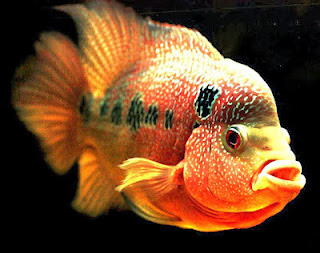
Cara Budidaya Ikan Hias Louhan : Taukah anda ikan hias yang satu ini, yang dulu sempat populer sekali dan hargannya sangat mahal sekali, namun pada saat ini ikan louhan sudah tidak ramai seperti yang dulu lagi. ikan louhan ini katanya ikan yang bisa membawa hoki bagi yang memeliharannya, Asal mula ikan louhan ini mulai di kembang biakan dimulai sejak tahun 1993. Orang Malaysia terutama banyak yang mengagumi ikan dengan kepala menonjol, yang dikenal sebagai Karoi atau kapal perang, ditemukan di bagian barat negara mereka. Dahi sedikit menonjol dan ekor panjang ikan ini berharga untuk para peminat masyarakat Taiwan sebagai tanda pembawa keberuntungan dalam geomansi. Pada tahun 1994, iblis merah Cichlid (genus Amphilophus) yang diimpor dari Amerika Tengah ke Malaysia dan hasil hibrida parrot cichlid yang diimpor dari Taiwan ke Malaysia dan dibesarkan ikan ini secara bersamaan, menandai kelahiran ikan lou han tersebut.
Pada tahun 1995, perkawinan persilangan diadakan lebih lanjut dengan Human Face Red God of Fortune, yang menghasilkan jenis baru yang disebut Five-Colors God of Fortune. Karena warnanya yang indah, ikan ini menjadi cepat populer. Penyempurnaaan secara selektif terus berlanjut hingga tahun 1998, ketika Seven-Colors Blue Fiery Mouth (yang juga disebut sebagai Greenish Gold Tiger) yang diimpor dari Amerika Tengah, dan hasil perkawinan silangnya dengan Jin Gang Blood Parrot dari Taiwan. Pembelesteran ini akhirnya menghasilkan generasi pertama hibrida flowerhorn Hua Luo Han, yang kemudian diikuti dengan perkenalan flowerhorn berikutnya.
Berdasarkan jenisnya, Ikan Hias Louhan dibagi menjadi 6 jenis:
- CHINWA
- CENCU
- FLY MARKING
- GOLDEN BEST
- CLASSIC
- FREE HEAD
Kiat Memilih Ikan Hias Louhan Yang Berkualitas
Ciri-ciri Louhan berkualitas baik adalah
- Sirip atas bawah dan ekor seimbang
- Bintik hitam tegas dari pangkal ekor sampai insang
- Lingkaran warna perak keemasan metalik melingkari bintik hitam
- Tampak bintik mutiara hampir di seluruh badan
- Warna dasar tubuh merah cerah dan kuning cerah
- Sirip dan ekor merekah melebar dan utuh
- Nongnong di kepala tampak proporsional
- Mata merah satu lingkaran penuh
CARA BUDIDAYA IKAN HIAS LOUHAN
Hal yang perlu mendapatkan perhatian khusus dalam pembudidayaan atau pemijahan louhan adalah kualitas air yang akan digunakan sebagai media pemijahan. Sumber air yang akan digunakan untuk pemijahan dapat berasal dariair sumur maupun air PAM. Jika pemijahan dilakukan dengan menggunakan air sumur, sebaiknya air sumur diendapkan selama 48 jam seblum digunakan. Jika menggunakan air PAM, sebaiknya kadar klorin dan pH air dinetralkan terlebih dahulu. Penetralan ini dapat dilakukan dengan menggunakan larutan trisulfat 5 ppm.
Pemijahan louhan dapat dilakukan dalam akuarium atau kolam. Beberapa jenis peralatan yang wajib ada dalam kolam atau akuarium adalah sebagai berikut :
- Bak penampungan air
- Filter
- Aerator
- Alat Penampung air
- Ornamen dan bebatuan
- Lampu UV
Ikan Louhan merupakan jenis ikan yang agresif dan teritorial (mempertahankan daerah kekuasaannya), sehingga ikan ini acap kali berkelahi dengan ikan lain yang ditempatkan dalam satu wilayah dengannya. Meskipun demikian, louhan termasuk ikan yang mudah di ternakan. Untuk dapat melakukan pemijahan, diperlukan louhan betina berukuran minimal 10 cm dan louhan jantan yang lebih besar.
Perbedaan antara louhan jantan dan betina dapat dilihat dari kedekatan genetiknya. Untuk louhan keturunan Cichlasoma trimaculatum, jika pada sirip punggungnya terdapat bintik hitam maka louhan tersebut berjenis kelamin betina. Apabila pembedaan secara fisik sulit dilakukan, pembedaan jenis kelamin dapat dilakukan dengan cara venting, yaitu mengamati organ kelamin louhan yang bersangkutan.
Setelah mendapatkan calon induk untuk di pijahkan, letakkan kedua induk tersebut dalam satu akuarium yang telah diberi sekat pemisah dari kaca. Tujuannya agar mereka terbiasa satu sama lain. Ketika louhan betina telah menunjukkan tanda-tanda bertelur, lepaskan sekat pemisah. Setelah sekat pemisah dilepas, amati perilaku kedua louhan. Jika keduanya terus berkelahi, segera pisahkan kedua louhan. Upaya penyatuan kedua louhan dapat dilakukan beberapa minggu kemudian atau dapat juga mengganti pasangannya.
Jika pemijahan berhasil, amatilah tingkah laku kedua louhan. Jika kedua induk akur dan menjaga telurnya, biarkan mereka tetap bersatu. Jika kedua induk cenderung untuk berkelahi, pisahkan induk jantan dari insuk betina agar induk betina menjaga telur tersebut. Jika induk betina memakan telurnya, pisahkan insuk tersebut dari telurnya.
Louhan termasuk jenis ikan yang mudah pemeliharaannya. Dengan standar pemeliharaan ikan pada umumnya, louhan dapat hidup dan tumbuh dengan baik. Namun, louhan akan semakin menarik, jika dalam pemeliharaanya memperhatikan baik-baik.
Pemberian Pakan pada Ikan Louhan
Selain tempat pemeliharaan dan kualitas air, pemberian pakan juga mempengaruhi penampilan louhan. Pakan yang mengandung nutrisi yang tepat, seimbang akan mempercantik penampilan louhan. Pakan louhan ada dua macam, yaitu pakan alami dan pakan buatan.
Pakan alami dapat berupa jentik nyamuk (cuk), kutu air, udang, ulat jerman, dan cacing. Karena pakan alami kurang higienis, sebagian dicuci atau dibersihkan dari kuman dan bakteri sebelum diberikan kepada louhan. Pakan alami dapat membuat warna ikan louhan semakin cemerlang.
Sedangkan pakan buatan dapat berupa pelet yang mengandung hormon ata pelet yang mengandung spirulina. pelet yang demikian dapat memicu pertumbuhan warna louhan, sehingga louhan menjadi lebih cemerlang dan indah.
Pemberian pakan buatan mempercepat perkembangan warna louhan. Akan tetapi, pemberian pakan buatan yang berlebihan menimbulkan beberapa efek negatif. Misalnya munculnya warna di tempat yang tidak diinginkan (dibibir dan sirip). Bahkan jika over dosis dapat menyerang lever dan menyebabkna kematian oleh karena itu, pemberian pakan yang bervariasi akan menjamin kecukupan asupan vitamin dan gizi yang diperlukan louhan.

Jenis Penyakit dan Penanganannya
Penampilan louhan akan semakin memukau jika didukung dengan kesehatan yang baik. Louhan dapat terkena berbagai penyakit yang akan mengurangi nilai keindahnannya. Penyakit yang biasa menyerang louhan antara lain white spot, mulut bisulan, cacat atau luka, stres, serta kembung dan busuk mulut.
- Penyakit White Spot Pada Ikan Louhan
White spot atau bintik adalah timbulnya bintik putih pada sisik louhan. White spot disebabkan oleh adanya jamur. Jamur ini muncul karena buruknya kualitas air yang digunakan. White spot merupakan penyakit yang sulit disembuhkan. Oleh karena itu, sebelum louhan terkena white spot, sebaiknya kualitas air yang digunakan selalu dijaga. Pemberian garam ikan ke dalam akuarium juga membantu mencagah munculnya white spot. - Penyakit Mulut Bisulan Pada Ikan Louhan
Louhan yang terkena mulut bisulan ditandai dengan bengkak merah pada mulutnya. Mulut bisulan dapat terjadi karena serangan Crustaceae (sejenis udang), luka infeksi akibat perkelahian, bakteri atau jamur, dan pakan yang tidak cocok.
Multu bisulan dapat disembuhkan dengan cara mengisolasi louhan dalam akuarium khusus. Mulut louhan yang bisulan diberi antibiotik. Selama dalam perawatan, puasakan louhan selama 2-3 hari. Setelah itu berikan pakan yang bergizi. - Cacat atau Luka Pada Ikan Louhan
Cacat atau luka pada louhan dapat terjadi karena berkelahi dengan ikan lain atau karena kualitas air yang jelek. Oenyakit ini dapat disembukan dengan mengisolasi louhan dalam akuarium khusus dan mengobati luka dengan menggunakan antibiotik. Selama dalam perawatan, louhan diberi pakan yang bergizi agar cepat sembuh. - Stres Pada Ikan Louhan
Jika warna tubuh louhan tiba-tiba memudar, timbul belang hitam, jenong kempes, dan tingkah lakunya pasif, kemungkinan besar louhan tersebut mengalami stres. Louhan dapat mengalami stres karena berbagai hal. Misalnya penempatan akuarium yang salah, pakan yang buruk, takut terhadap musuh, atau sorot lampu dan warna baju.
Untuk mengatasi stres pada louhan dapat dilakukan beberapa hal. Agar lou han tidak stres, akuarium diletkakan 80 cm di atas lantai, louhan diberi pakan yang sesuai, dipisahkan dari ikan lain, dan dibiasakan menghadapi berbagai macam keadaan agar tidak mudah kaget. - Kembung dan busuk Mulut
Jika perut louhan membengkak dan berwarna merah, kemungkinan louhan terkena penyakit busuk mulut. Penyakit ini dapat timbul karena pakan yang tidak higenis. Selain menyebabkan kembung merah, pakan yang tidak higenis dapat menyebabkan busuk mulut. Penyakit busuk mulut ditandai dengan bentuk bibir yang membengkak dan jontor.
Kedua penyakit tersebut dapat disembuhkan dengan cara pemberian obat. Caranya louhan diterapi selama 7 hari dalam air larutan obat antibiotik, antiparasit, dan antijamur. Selama masa terapi louhan tidak diberi makan (dipuasakan). Selain cara tersebut, louhan juga dapt diterapi dengan menggunakan air hangat dan garam ikan. Selama menjalani terapi ini louhan dipuasakn selama 3 hari.
Lihat juga di bawah ini :
Cara Budidaya Ikan Lele di Kolam Terpal
Panduan Cara Budidaya Pembesaran Ikan Bawal
Panduan Cara Budidaya Pembesaran Ikan Mas
Baca juga info yang lainya seperti Cara Budidaya Ikan Nila sebagai sumber referensi untuk anada semuanya dalam melakukan usaha yang sedang anda tekuni, salam sukses untuk sobat semuanya.
Cara Budidaya Ikan Lele di Kolam Terpal
Panduan Cara Budidaya Pembesaran Ikan Bawal
Panduan Cara Budidaya Pembesaran Ikan Mas
Baca juga info yang lainya seperti Cara Budidaya Ikan Nila sebagai sumber referensi untuk anada semuanya dalam melakukan usaha yang sedang anda tekuni, salam sukses untuk sobat semuanya.